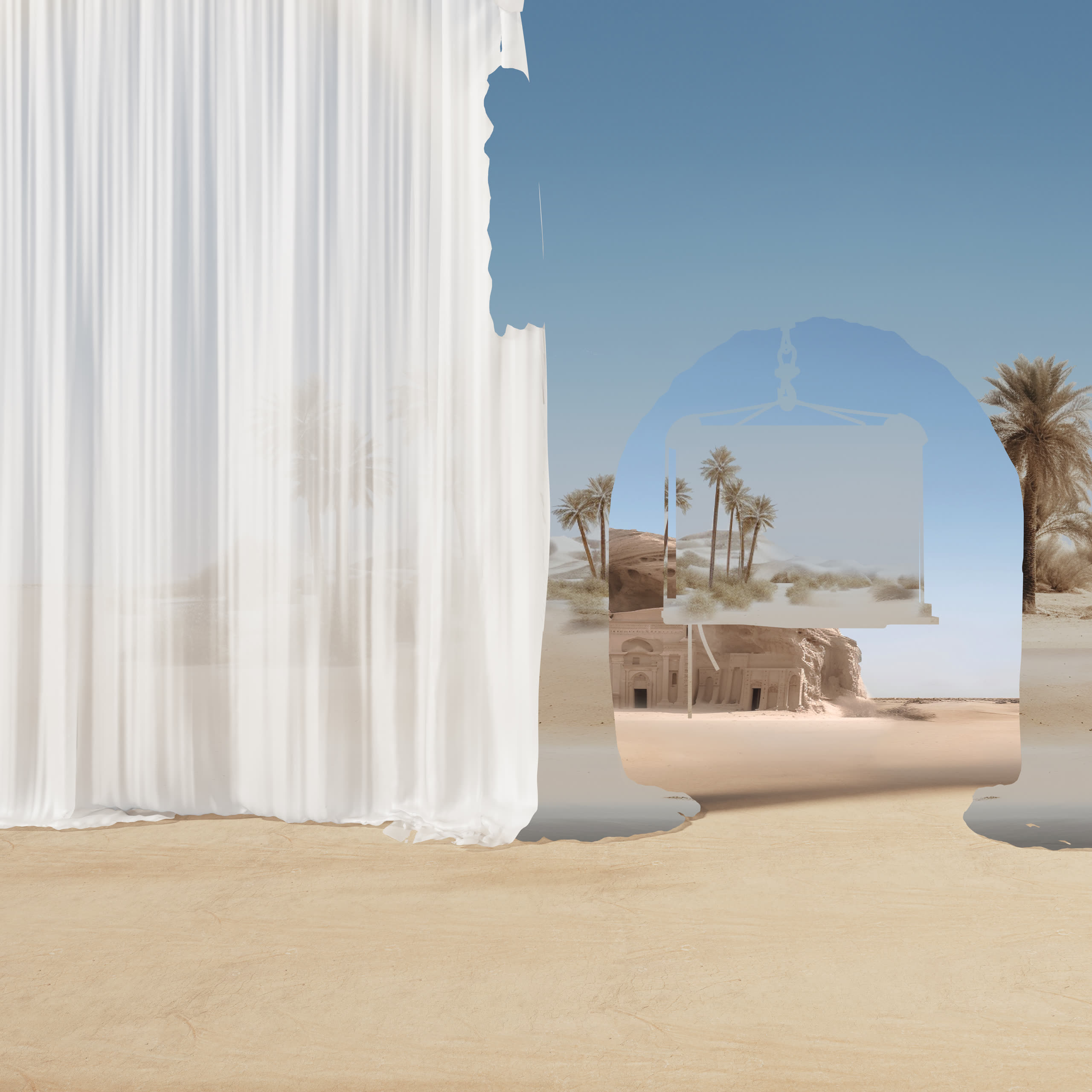
FOOH — fake out of home — is a CGI film staged to look like a real installation in a real location: a giant product on a building, a takeover of a landmark that never physically happened. It delivers the spectacle of outdoor advertising with the speed and reach of social video, and it has become one of the most efficient awareness formats in luxury marketing.
We produce this format as part of our CGI & FOOH campaign practice — including three editions of Ounass Wonder Week and Level Shoes' regional delivery campaign.
A practical note on plates: Dubai is generous with iconic backdrops, but filming permissions still apply to the underlying footage. We either shoot plates with permits or build fully synthetic environments — the latter trades location recognition for total control, and for many brands the trade is worth it.
The pipeline: shoot, build, composite, launch
A FOOH production has four stages. First, a real plate: the location is filmed or photographed with measured camera data. Second, the 3D build: the product, creature or structure is modelled, lit and animated to match the plate's light. Third, compositing — shadows, reflections, grain and handheld drift are what sell the illusion; this is where most cheap FOOH falls apart. Finally, format and launch: vertical cuts, platform-safe framing, and a posting plan timed to the campaign calendar.
Because our founders are architects, our CGI reads as real space — scale, parallax and material behave — which is precisely what makes viewers share before they doubt.
Sound design is the most underused lever in the format. A plate of real street audio under a synthetic spectacle does more for believability than another ten percent of render quality.
Costs and virality mechanics
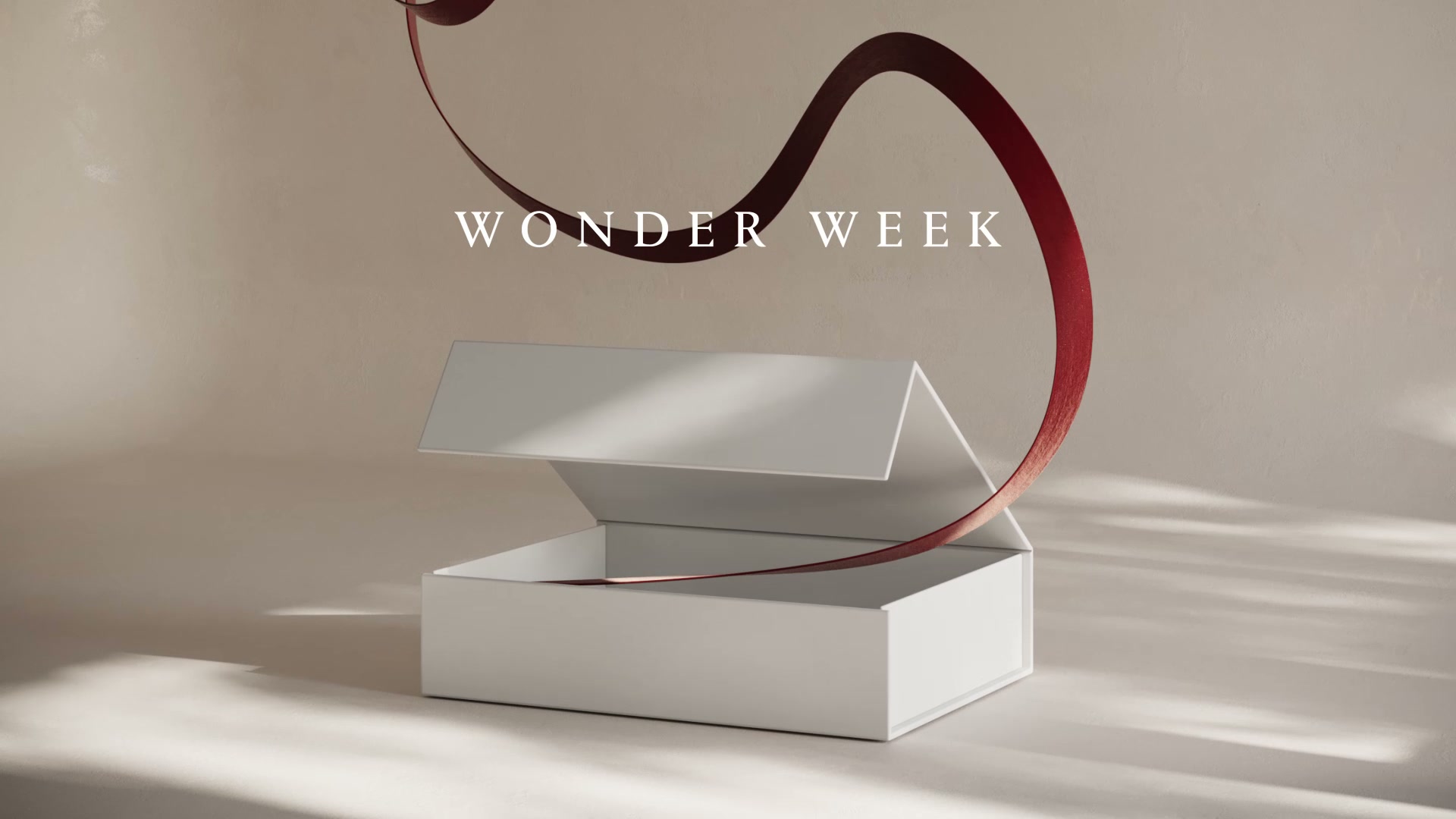
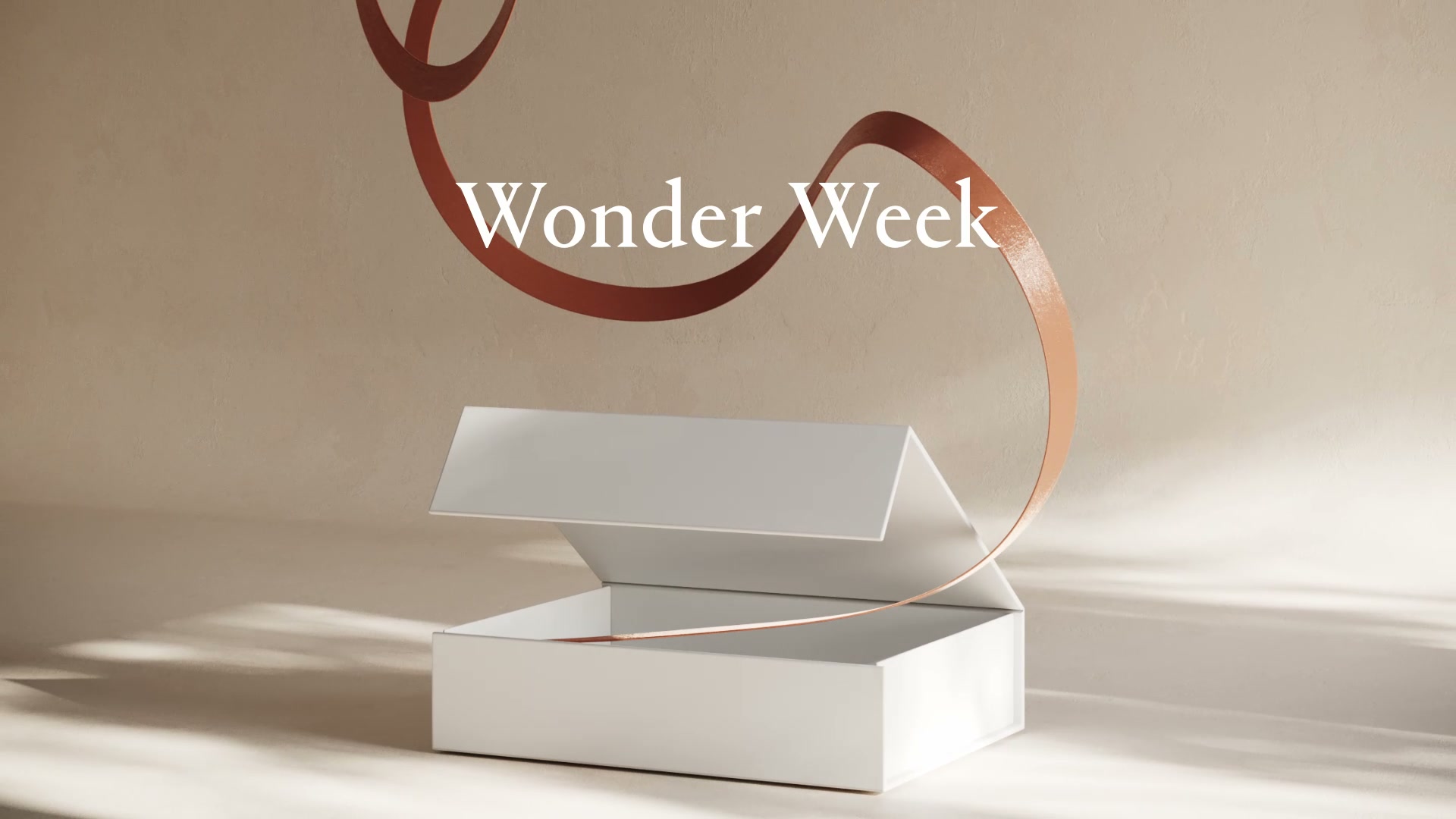
A professional FOOH film typically runs AED 40,000–150,000 depending on location complexity and animation scope — against six figures for a comparable physical installation, plus permits. Virality is engineered, not accidental: one impossible image, three seconds of plausibility, then the reveal. Campaigns like Wonder Week 3 and Level Shoes’ shoebox monuments are built on exactly that rhythm.
The format compounds when it is systematic: our October 2025 Wonder Week shipped as one film in seven region-and-language sets, each versioned per market — the same spectacle, localized.
And a word of caution: FOOH rewards restraint. One impossible object, one real place, one clear brand cue. Campaigns that stack five spectacles into fifteen seconds train audiences to scroll past — the format’s power comes from how close it stays to reality.