A professionally designed and produced pop-up in Dubai typically costs between AED 50,000 and AED 120,000 for a mall activation, AED 150,000 to AED 400,000 or more for a fully experiential event format, and upwards of AED 500,000 when the build approaches permanent-retail complexity. The spread is driven by three things: the venue, the fabrication ambition, and how much content the project must feed.
We write this as a studio that designs these formats for a living — our pop-up design work — like our events, exhibitions and interiors — covers the concept-to-build arc, so we see exactly where budgets go.
Timelines deserve the same honesty as budgets. A mall activation that must open for a fixed retail calendar cannot slip — so we front-load decisions: concept lock in week two, full CGI sign-off before fabrication starts, and no design changes once the landlord package is submitted. Most overruns we see in the market trace back to late design changes, not construction.
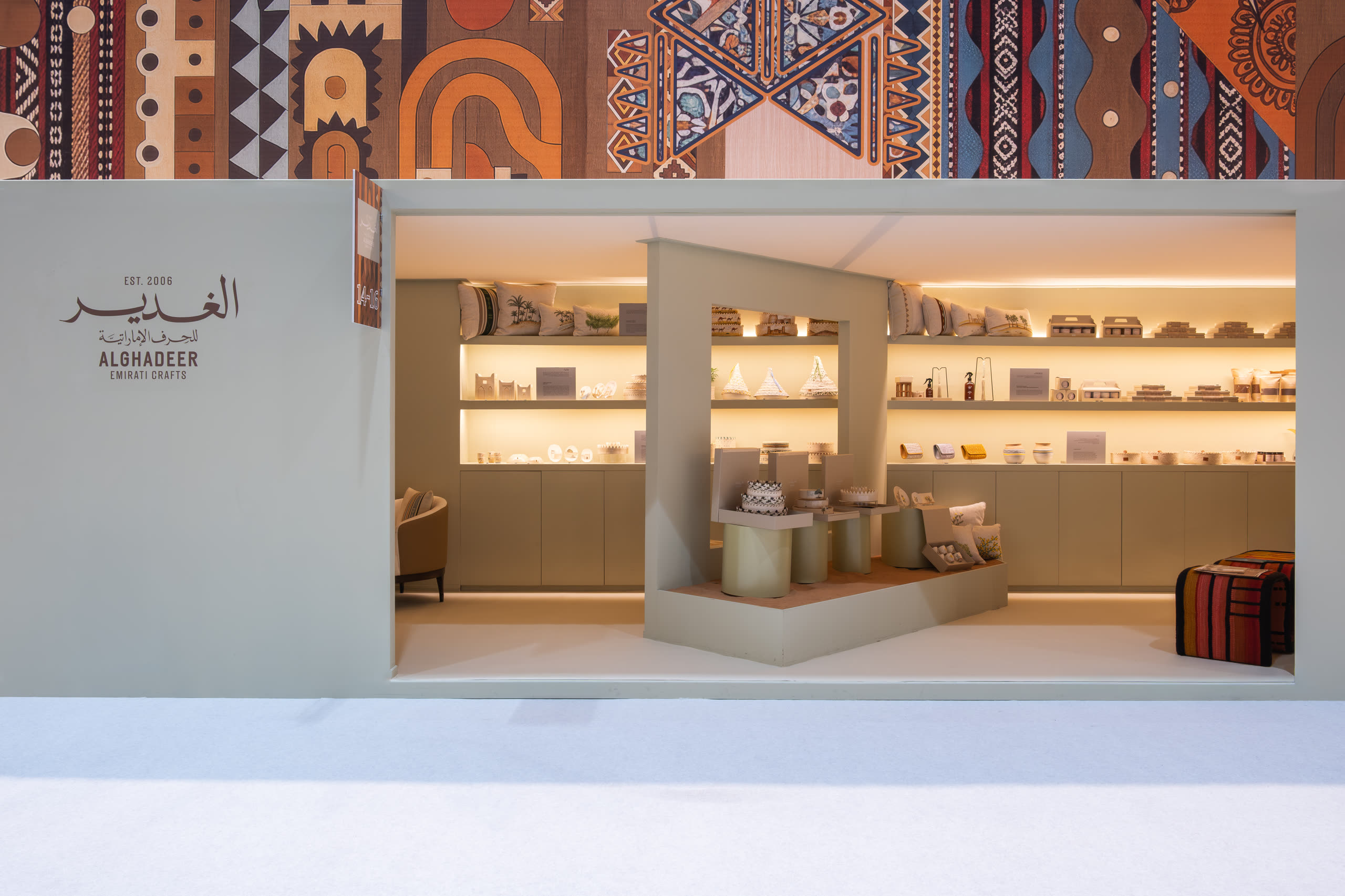
Where the money actually goes
Design and visualisation are typically 10–15% of the total — and the cheapest insurance in the whole project, because a photorealistic CGI sign-off prevents the expensive category of mistake: rebuilding on site. Fabrication and fit-out are the largest line, followed by venue fees, which in premium malls like Dubai Mall or Mall of the Emirates include both rent and landlord-mandated production standards.
Content is the line most first-time pop-up budgets forget. Screens, printed artwork, launch photography and social cuts often add 15–25% — but they are also what makes the investment visible beyond the venue's footfall.
A note on what not to cut: lighting. In a windowless pop-up, light is the architecture. The difference between a AED 60k and a AED 100k result is often just a properly designed lighting plan — and it shows in every photograph.
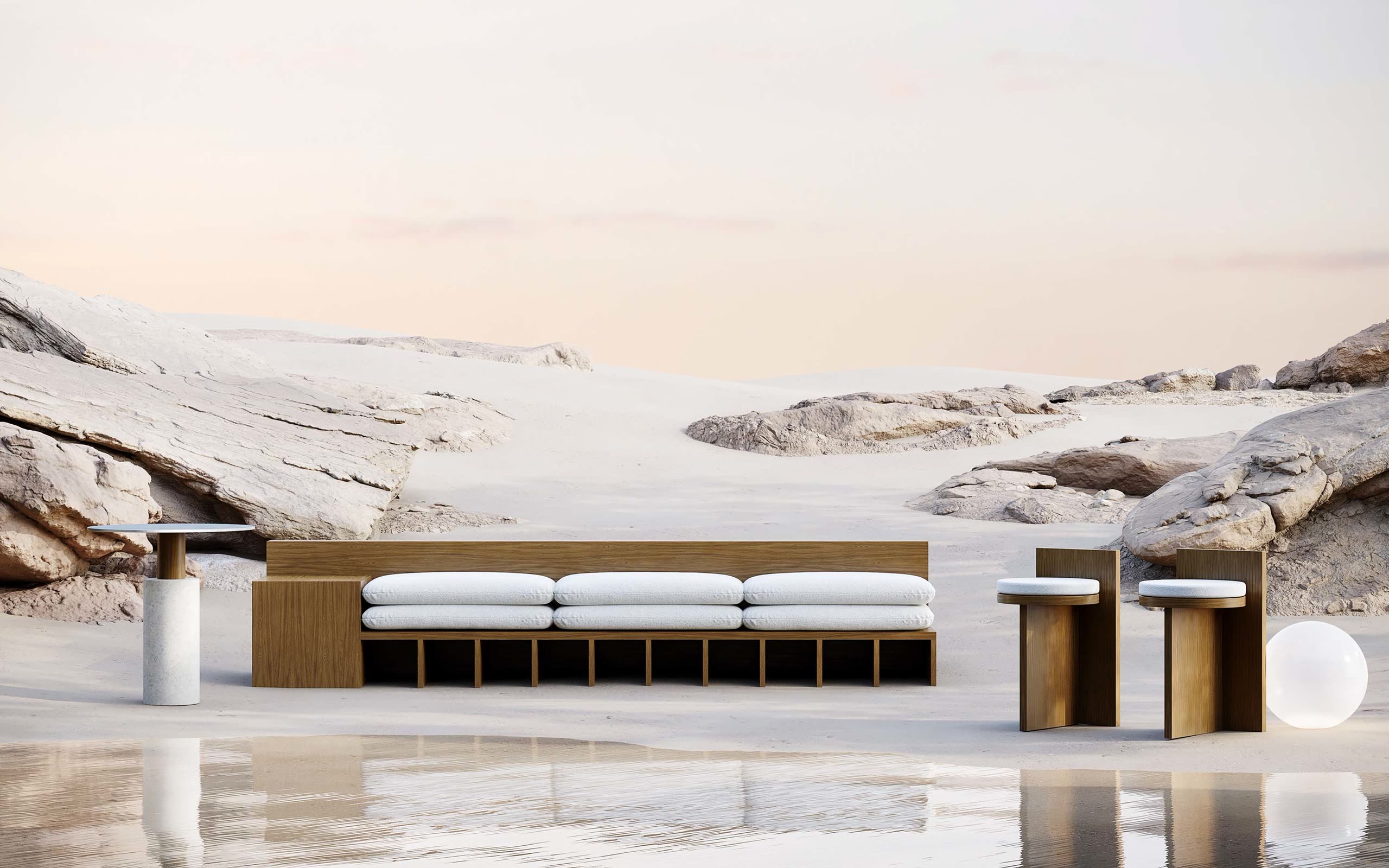
How to spend it well
Pick one monumental gesture and let everything else be quiet. A single unforgettable element — a facade-scale object, a room-defining material — outperforms a dozen competing features at the same budget. Temporary formats also reward modular thinking: systems designed to flat-pack and rebuild can serve a Dubai–Riyadh–Kuwait tour at a fraction of three separate builds.
For permanent-leaning projects, our retail & interior design work — such as the Al Ghadeer Emirati Crafts store in Abu Dhabi — shows what happens when pop-up thinking gets architectural time.
And if the budget is genuinely tight, scale the ambition down, not the craft. A nine-square-metre kiosk with one perfect detail will outperform a ninety-square-metre space of compromises every time.